

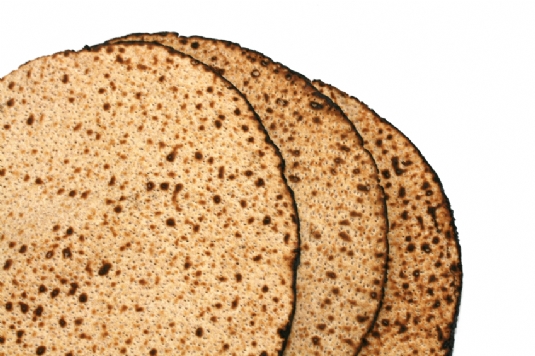
Passover is full of tradition: there’s the Matzah, the Maror, the wine and then of course, the brisket. But how can this be relevant to us? We live in the age of amazing technological advances!
After all, cars and planes - we take for granted; today we can use a device (that most of us own) to communicate with anyone on the planet in an instant and we can use the same device to access almost all of known human knowledge. Medicine has advanced to the point that illnesses that were once life threatening are now prevented from occurring and man-made spacecrafts have left the solar system.
Can anachronistic rituals associated with an ancient event really have any relevance to us?
I would be the first to agree that were we to view these rituals as nothing but rote activities, then they would actually be nothing more significant than quaint reminders of the past. But when we take a moment and uncover their meaning, suddenly they are not just rituals anymore. These traditions become our very foundation, providing us the ability to live and remain sane in our fast paced world.
Human beings have a unique gift that is not granted to any other being; we are self aware. We are conscious of our own existence. However, when left unchecked, this awareness can become unhealthy; we can become too self centered. But we are sensitive beings, so when that happens we begin to feel uncomfortable, we are not wired to be self centered. We suddenly feel empty; we have everything, yet we feel lacking. Somehow, something - which we can’t pinpoint - is missing.
This feeling of discomfort leads us to searching for methods to satisfy this emptiness. We try to fill it with new things; a new car, a new house. Or perhaps with experiences like a trip to some exotic place in the world (or in extreme cases, a jump out of a plane).
But the emptiness persists.
Some people medicate themselves in an attempt to quiet this gnawing emptiness; they drink or take drugs only to find that none of this helps.
What is the cure to this human condition? The secret is in the matzah.
When we are too self aware, our internal equilibrium is thrown off. Matzah sets us straight. You see, matzah represents humility; made of only flour and water, it has no fancy ingredients. Bread which rises represents haughtiness, while matzah is never allowed to rise, representing humility.
Life without matzah can be compared to a load of sponges; life with matzah to a load of salt. At first, sponges are light and airy - easy, laid back, no pressure. Living life freely, no restrictions and no commitments. But when walking through the waters of life, the sponges absorb the water and threaten to take us under. A load of salt is heavy - it’s all about responsibility and limitations. But when walking through the waters of life, the salt dissolves and gives us the ability to succeed.
Matzah is not just a relic of the past; it’s the key to the future. This Passover eat Matzah and taste the future.